Published: August 2023
The Power Of Outsourcing
Read more



Published: July 2023 | by admin
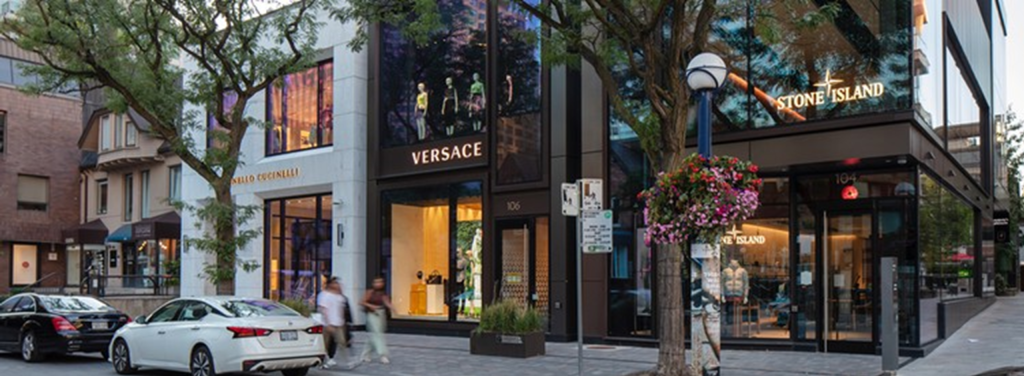
As many people mistakenly believe, luxury is not a social class. It is an opulent and extravagant state. Since it requires handsome expenditure, only the Rich or Uber Rich can reside in the state. In reality, the social stratum known as “The Rich & The Uber Rich” stands at the top of the social hierarchical pyramid. Although they are a microscopic squad, they deem to have a significant impact.
This brief yet incredibly moving passage requires increased exploration. There is a dearth of research on consumer behaviour in this intimate circle. The world of luxury can be classified into three different categories, despite the small cohort.
Their behaviour is in sharp contrast to one another.
This compact unit, who are born wealthy, tend to maintain confidentiality and avoid extravagance in displaying their wealth. They spend on expensive clothing or exotic vacations but do not seek social media attention. Fresh and futuristic concepts appeal to them. They favour technology, innovation, and minimalistic grandeur.
Individuals who are trailblazing money generators, or those who have built wealth through hard work, on the other hand, are affluent paraders. They display premium brand insignia openly and indulge heavily in social exposure.
Other individuals are high wage earners who aspire to own luxury brands but only access entry-level offerings. This group is highly active on social media and seeks visibility through aspirational purchases.
This creates a complex mix of consumer psychology and purchasing behaviour. Research in this area remains inadequate, while the opportunity is immense. Additionally, environmental and sustainability concerns play a critical role. Scarcity is a key driver of value.
Advertising and marketing initiatives in this space are particularly challenging.
Polished and minimalistic visuals, confident and composed voiceovers, and instrumental—especially classical—music are effective cues. It is crucial to identify where this audience spends time and communicate through highly targeted, transparent messaging. Simply claiming a product is 100% green is ineffective; explaining the specific sustainability measures taken resonates far more.
Consumers in this niche enjoy indulgence. Therefore, the core strategy must focus on making the product experiential. The real value lies in refined demonstrations, service quality, and hospitality.
In real estate, the word Luxury has been widely misused and diluted. Developers, consultants, and marketers frequently label peripheral city projects as luxury offerings. This overuse has reduced the term’s gravity. Defining what constitutes a genuine luxury product has become more critical than ever.
It is time to regulate marketing communication and establish clear boundaries so consumers are not misled.
Positioning and selling luxury is a complex task. The most vital driver is understanding individual consumers. One size does not fit all. The real challenge lies in positioning the same product differently for varied luxury mindsets.
In conclusion, luxury remains mystical and compelling. Money alone does not define it. Luxury is a way of living, influenced by youth, culture, and evolving mindsets (Gen Z, Millennials). It is simple yet intangible, and there are many valid interpretations. Luxury communication must justify the buyer’s inclusion in an elite and prestigious circle.
They deserve it.
Written by:
Mr. Indranil Bose
Country Head
NKLUSIVE
(Premium & Luxury Intermediary of NK Realtors)
Kolkata | Hyderabad | Bangalore
 What Celebrities Look for When Buying a Home