


Published: August 2023
The Power Of Outsourcing
Read more



Published: November 2022 | by admin
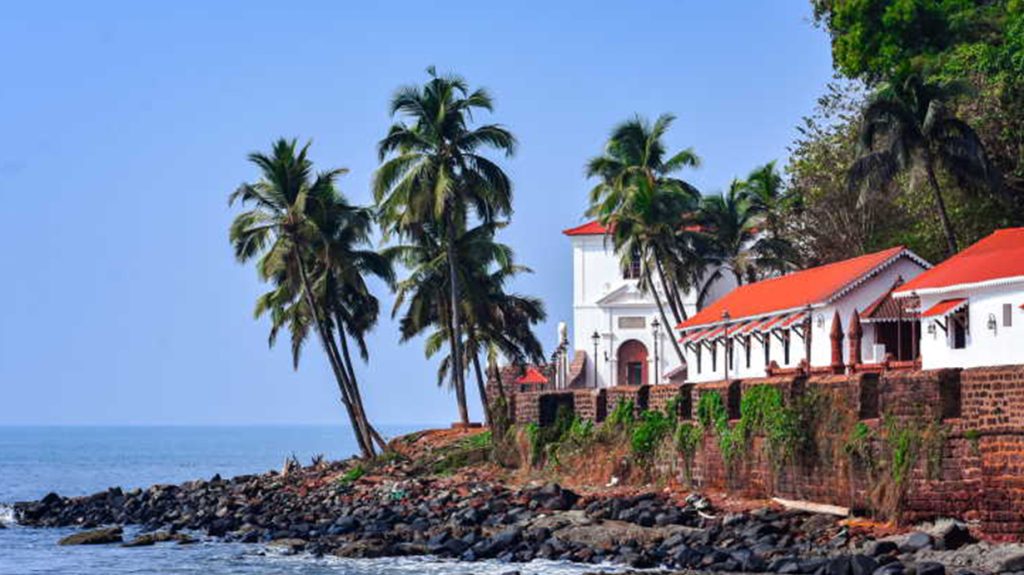
HOLIDAY HOMES – HNI’S Propensity for Travelling to Exotic Places
As the world slowly returns to its previous state, the luxury market is predicted to rise significantly, fuelled in part by High Net Worth Individuals (HNI) and Non-Resident Indian (NRI) segments. According to a recent study, 75% of HNI buyers intend to purchase residential real estate in the country over the next two years—primarily in major cities and holiday destinations—reflecting a strong turnaround in the luxury real estate segment.
A number of real estate developers in India are already entering the holiday home segment as wealthy buyers look to purchase second homes in coastal or hilly locations. Demand for vacation homes has been rising in destinations such as Ooty, Goa, Coorg, Kasauli, Alibaug, and Manali.
Previous research indicated that Q3 2021 saw an impressive rise in home sales and new product launches aided by digital technologies. Developers adapted to the virtual world, boosting sales during the pandemic. In addition to reaching consumers during restrictions, modern developers introduced services such as virtual 3D tours, digital site visits, apartment management, digital payment integration, movers and packers, and more. These offerings encouraged NRI buyers to make larger investments, marking a year of recovery. The desire for luxury vacation homes among affluent buyers remained strong even during subsequent COVID waves. A key reason cited for purchasing properties during the pandemic was “Lifestyle Upgrade.”
People now prioritise healthy living, which has compelled many to choose larger homes with ample space. Luxury homes offer features like private gardens, swimming pools, superior interiors, wide open spaces, green surroundings, and serene settings—making luxury housing one of the most preferred sub-sectors in Indian real estate. The banking sector also realised that low loan rates could drive demand, and many HNIs invested in second homes with such amenities. Today, people seek mindful, healthier lifestyles, including fitness and new ways to enjoy life after the pandemic. Among the amenities increasingly prioritised are day care centres and recreational spaces.
Goa is broadly divided into North and South Goa. North Goa is a tourist hub, while South Goa is comparatively quieter. North Goa has top restaurants, nightclubs, and casinos catering to visitors. South Goa is better known for luxury hotels and resorts (for example, The Lalit and Hyatt). Compared to North Goa, South Goa has fewer developers, and those primarily cater to locals. In terms of supply, if 10 to 15 homes are built in the North, it may be about 1 in the South.
East Goa is emerging as a development belt as it will be closer to the new Mopa International Airport. The Rs 2,600 crore airport project is expected to increase demand in Mopa, Greater North Goa, and the surrounding Konkan region, along with boosting tourism. Recent studies suggest the average price per square foot near the airport—currently around Rs. 6,700 psf—may increase by 27.8% over a year. Property prices have also increased over the last four years at a CAGR of 3.9%.
From a developer perspective, Calangute, Candolim, and Baga used to be the heart of Goa’s market due to clubs and tourism. Many “window shoppers” have since become committed buyers driven by the Work From Anywhere (WFA) trend. For rental purposes, buyers have increasingly turned to micro-markets such as Siapem, Morjim, Porvorim, Parra, Vagator, Assagao, Saligao, Anjuna, and Siolim, where nightly villa rates can range from Rs 15,000 to Rs 1,00,000 depending on size and number of rooms. Overall, nightly rates and occupancy have risen by 25% to 30%, pushing yields up to 8% in certain micro-markets. Assagao is among the hottest locations by demand, followed by Siolim and Saipem. Assagao caters strongly to the luxury segment. Other areas developers focus on include Saipem, Pilerne, Reis Magos, Nerul, and Candolim.
Goa’s real estate market is largely driven by non-natives and buyers from other parts of the country. HNIs and NRIs are the primary enablers behind this surging demand.
Business owners, professionals, and senior corporate management from cities like Bengaluru, Hyderabad, Pune, and Mumbai are major demand drivers. A large share of buyers comes from Delhi, with approximately 40% from Mumbai and 30% from Hyderabad. Around 25% of business is also attributed to Bangalore.
For India’s elite, owning a property in Goa was always aspirational. Since the pandemic, a strong desire for second homes outside crowded cities has accelerated demand—especially among remote workers who can work from anywhere. As a result, second-home prices have surged. Factors such as cleaner air, better water and food quality, exposure to a cross-cultural environment, and an overall improved lifestyle have attracted buyers. Developers are offering gated-community villas with carpet areas ranging from 1,500 sq. ft. to 4,500 sq. ft., and plot sizes ranging from 2,000 sq. ft. to 8,000 sq. ft. Villas typically range from Rs 3 crore to Rs 12 crore, depending on size and features. In fact, since COVID-19, demand for properties in Goa’s touristic and remote areas is reported to have increased threefold.
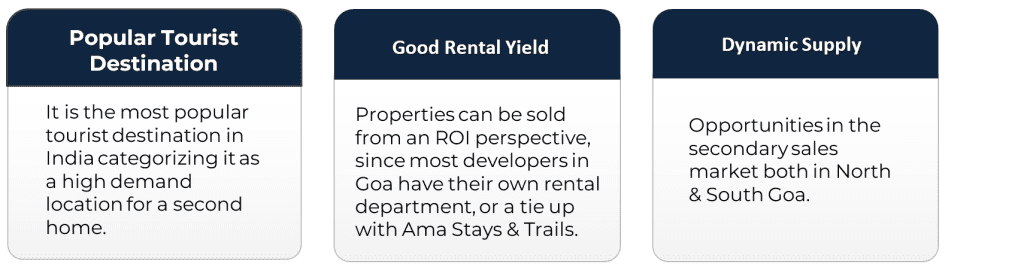
Goa is trend-driven, influenced by where people are moving. Demand has increased partly because developers assist with rentals when buyers purchase properties—helping investors earn from a state different from their home city. Many builders operate a separate rental company (alongside their parent business) and provide full maintenance support, making ownership easier since buyers don’t need to search for renters themselves. Returns can vary widely, but the net ROI is often estimated around 7% to 8% net—among the highest rental yields in India. Most developers do not offer minimum guarantee systems; owners can block their property usage via a calendar, preventing rentals during that period. Some buyers also invest for capital appreciation over time. Developers generally do not disclose precise ROI data or guarantee yields, but may provide estimates in “hotel nights” terms—such as 150 room nights per year at an ARR (Average Room Rate) of Rs 1,00,000 per night. Developers typically project conservative numbers to exceed expectations.
In recent years, demand across Goa’s micro-markets has reportedly risen by 50%. With the sharp rise in demand for second homes and limited inventory, luxury developer Sun Estates has been reported to negotiate raising $50 million. Goa has seen stronger second-home growth momentum compared to many other cities.
Along with Goa, Uttarakhand and Himachal Pradesh are also experiencing rapid growth in second-home demand. Buyers are drawn to hill stations to enjoy untouched natural beauty alongside luxury amenities, especially since these destinations are just a few hours’ drive from major northern Indian cities.
Following our exploration of the Goa market, from the perspective of our organisation, our local expertise spans across the nation, enabling us to support customers at every stage of their journey if they wish to explore the Goa market. For more information, please contact us using the details on our website (www.nklusive.in — a Premium & Luxury vertical of NK Realtors).
………The author’s point of view is described above.

Srodhya Chakravorty
Senior Manager – Strategic Initiatives